Security & Backups
Protect your website with practical guides to backups, restore tests, malware, firewalls and access controls. Plan recovery before something goes wrong.
More on Security & Backups
Security & BackupsTutorial
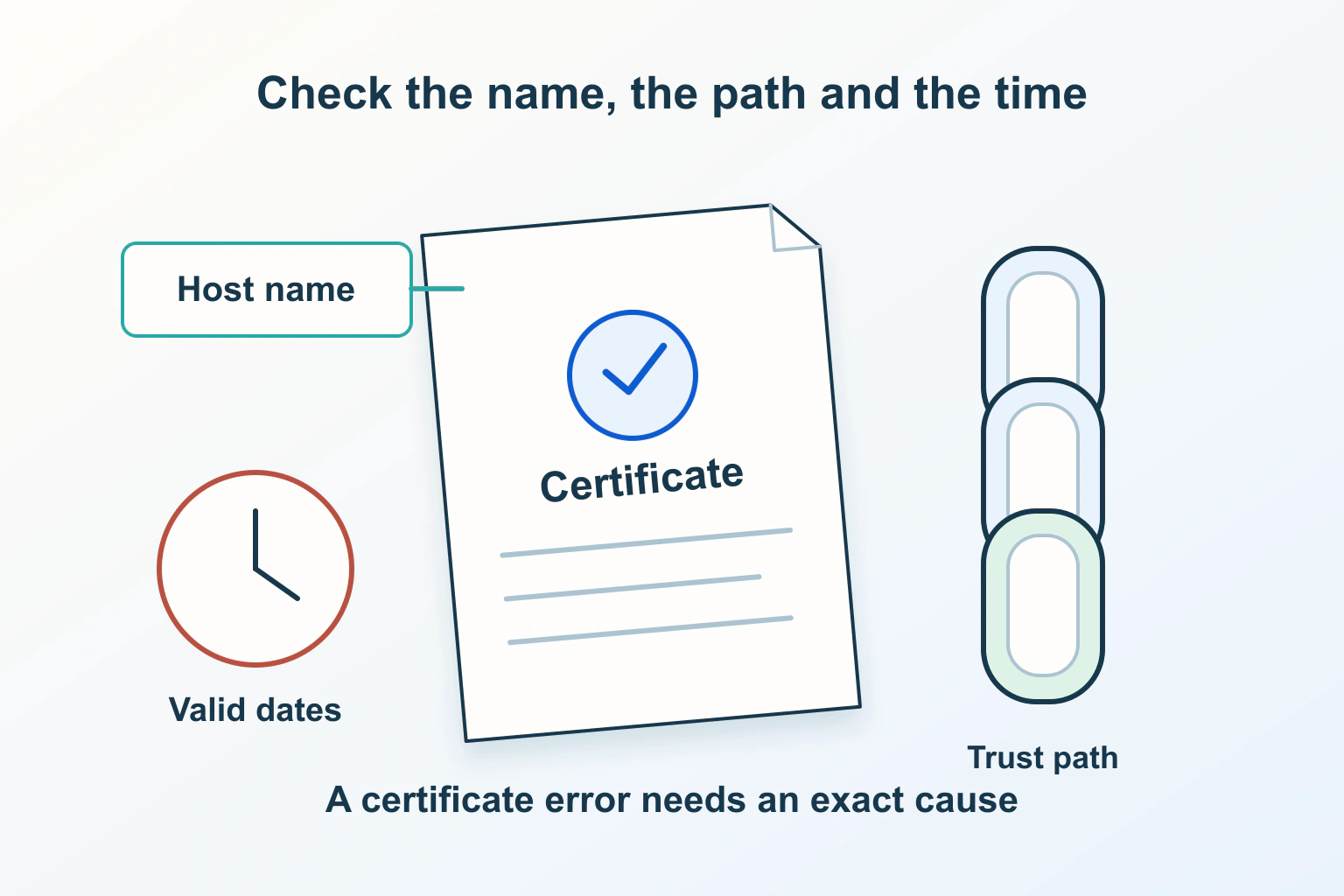
Capture the exact browser warning and public hostname before changing certificates. Separate date, identity and trust failures, and check the certificate visitors actually receive.

Security & BackupsTutorial
Read the final response, identify which policy owns a violation and test a scoped candidate before enforcement. Keep security boundaries and working reader journeys together.

Security & BackupsTutorial
An accepted SVG is not automatically safe in every context. Check trusted originals, upload processing, image-versus-document behavior and a faithful raster fallback.
Security & BackupsTutorial
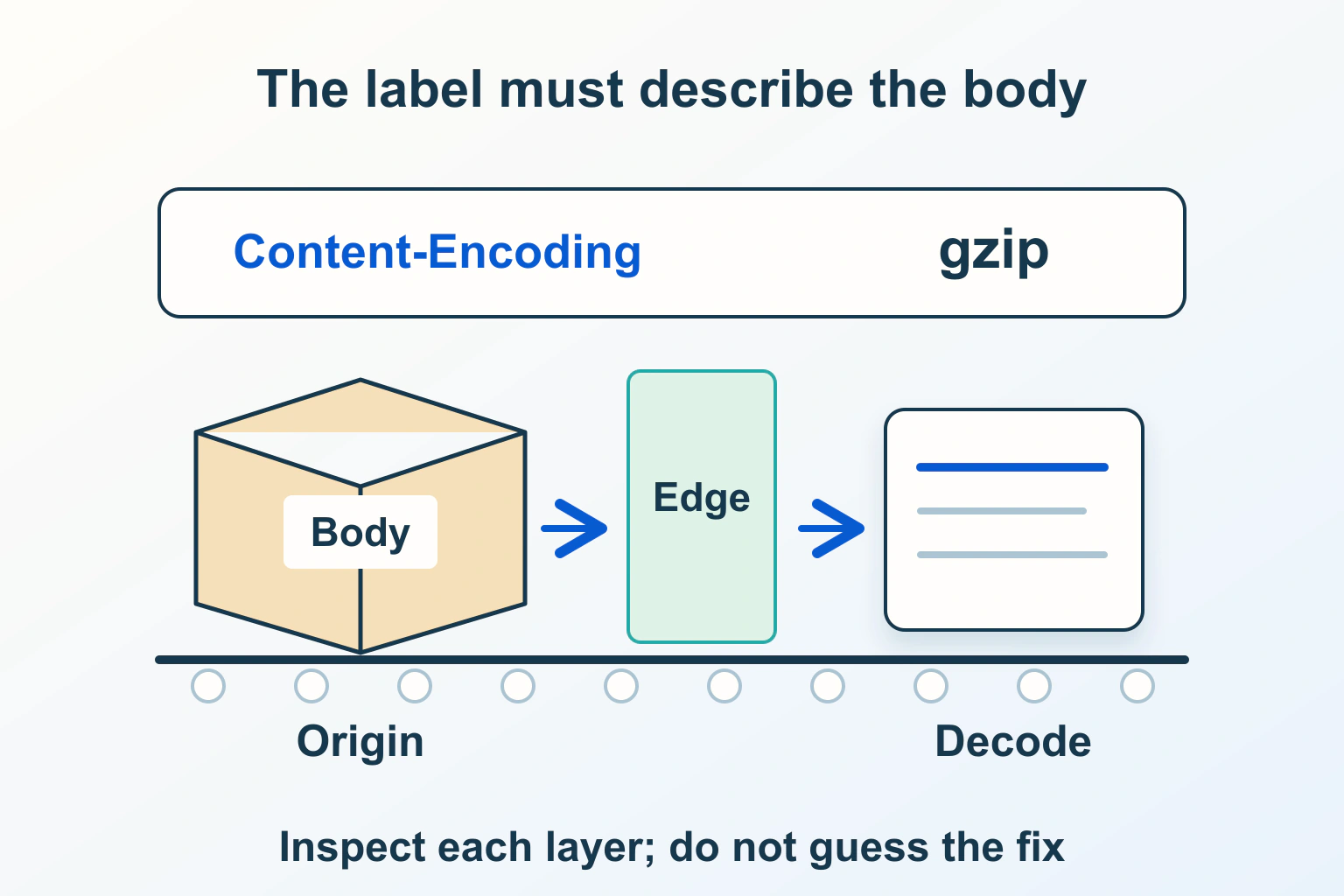
Investigate compressed-response failures without confusing them with broken accents. Compare response bytes, coding declarations, negotiation and cached variants across delivery layers.

Security & BackupsTutorial
Distinguish request-header size failures from large uploads and rate limits. Compare sessions safely, trace cookie growth and repair the writer or delivery limit that actually failed.

Security & BackupsTutorial
Compare a downloaded file with a trusted SHA-256 reference. Choose the exact release, inspect mismatches and distinguish hashes from signatures and safety.

Security & BackupsTutorial
Check photo location data before publication, preserve a private original and inspect what visitors can actually download. Resizing alone is not proof of removal.
Security & BackupsTutorial
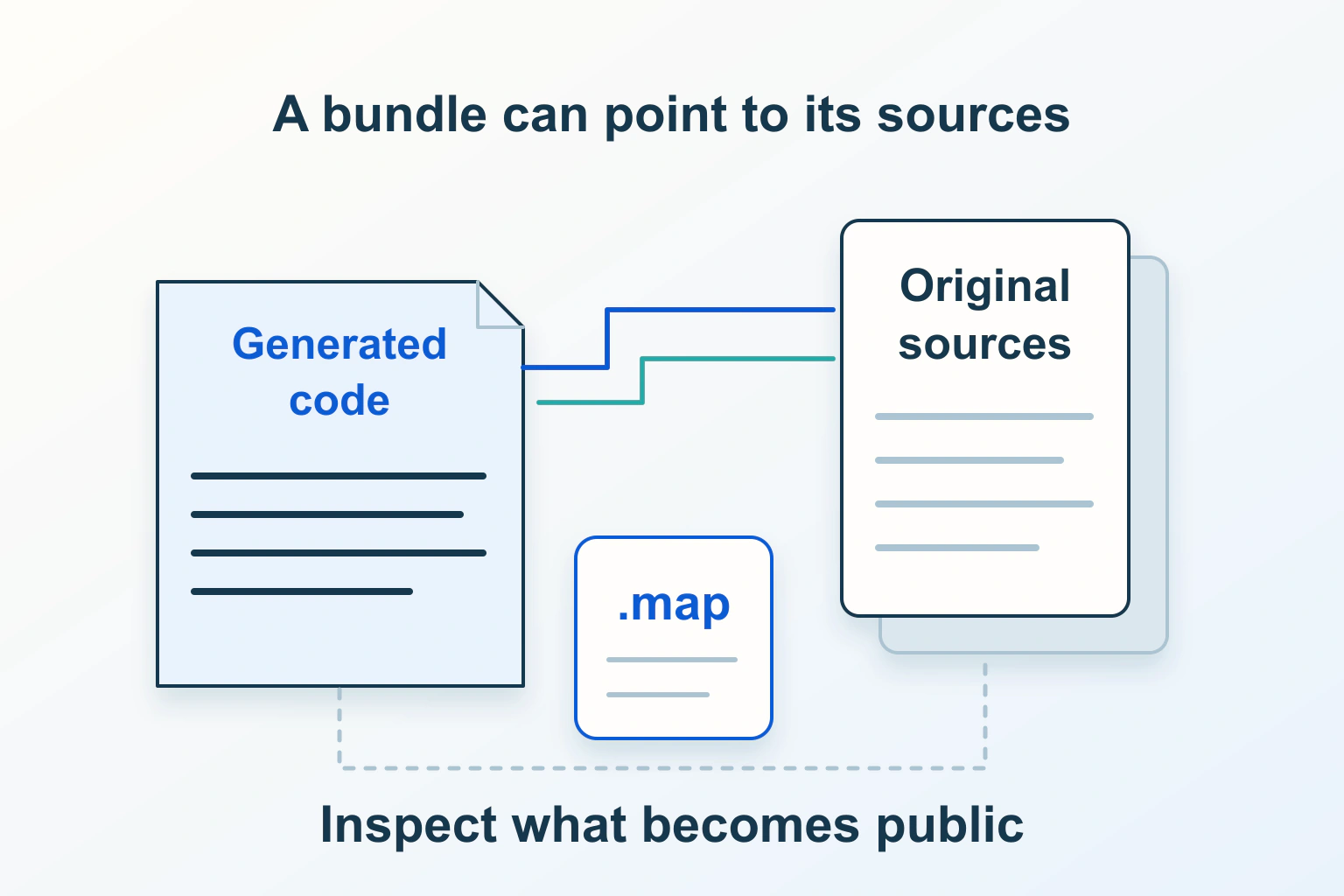
Decide whether a public source map belongs in your release. Inspect original contents, deployed copies and real secrets while preserving useful private debugging.

Security & BackupsTutorial
Give researchers a clear reporting route with security.txt, a monitored contact and a maintained policy. Understand scope, expiry and what the file does not authorise.
