HostingExplainer
What is web hosting?
Hosting makes your website available online. Learn how it differs from a domain, what a hosted builder already supplies, and what to check before buying.
5 min readRead
Understand shared and managed hosting, server resources, migration and billing. Use practical guides to compare costs and choose a plan for your website.
Hosting makes your website available online. Learn how it differs from a domain, what a hosted builder already supplies, and what to check before buying.
Read hosting offers by separating server resources, domain registration, mailboxes, HTTPS, backups and support—and checking what renews or costs extra.
Shared describes how server resources are used; managed describes work the provider takes on. Compare the actual responsibilities and restrictions before choosing.
US reference · Observed 2026-10-15
| Provider / plan | Initial amount or listed rate | Initial term | Renewal reference | View plan |
|---|---|---|---|---|
 Single 20GB · monthly, first-month promotion Single 20GB · monthly, first-month promotion | US$0.00Published first-month promotion amount | 1-month term | US$35.00current standard monthly rate after free first month; not a lifetime guarantee | View pricing Affiliate link. |
| IONOSWeb Hosting Essential · first-year offer | US$4.00Listed rate · per month for first-year offer; payment schedule unconfirmed | 12-month term | US$8.00per month renewal reference; invoice duration unconfirmed | View pricing Affiliate link. |
 Starter · 48-month prepaid offer Starter · 48-month prepaid offer | US$95.49Exact published Pay Today amount | 48-month term | US$13.99per month renewal reference; invoice duration unconfirmed | View pricing Affiliate link. |
Initial terms differ. Check the billing basis, tax and included features before choosing.
Move the website, preserve the services around it and test a recoverable cutover before cancelling the old hosting.
Separate a slow server response from heavy images, scripts and uncached pages, then decide whether a hosting upgrade addresses the actual problem.
TTFB includes more than application processing. Follow the actual navigation through redirects, network setup and the origin response, then compare the same conditions before choosing a repair.
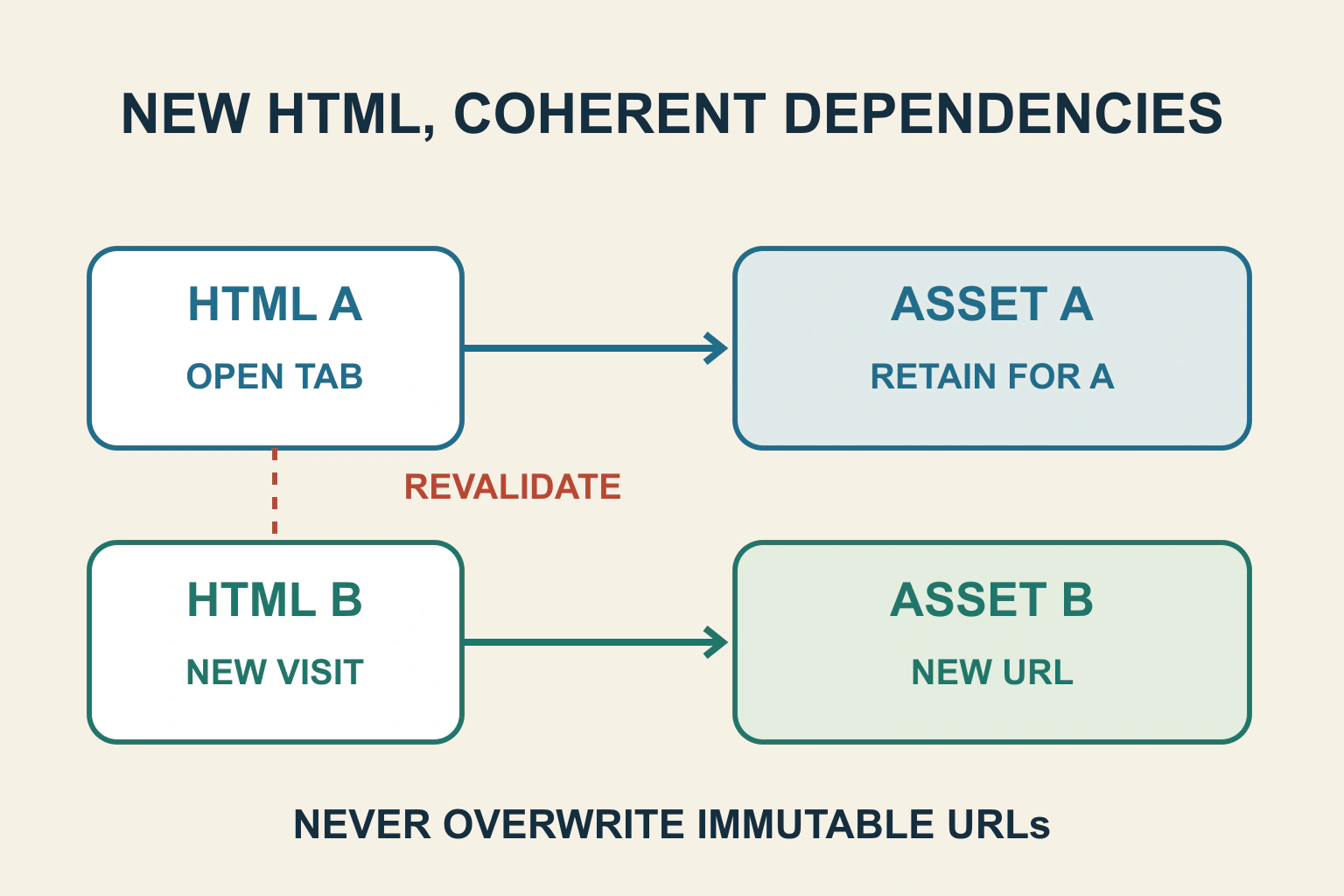
Give changed assets new URLs, let HTML discover those URLs through an appropriate freshness policy, and retain compatibility for visitors still using the previous release.
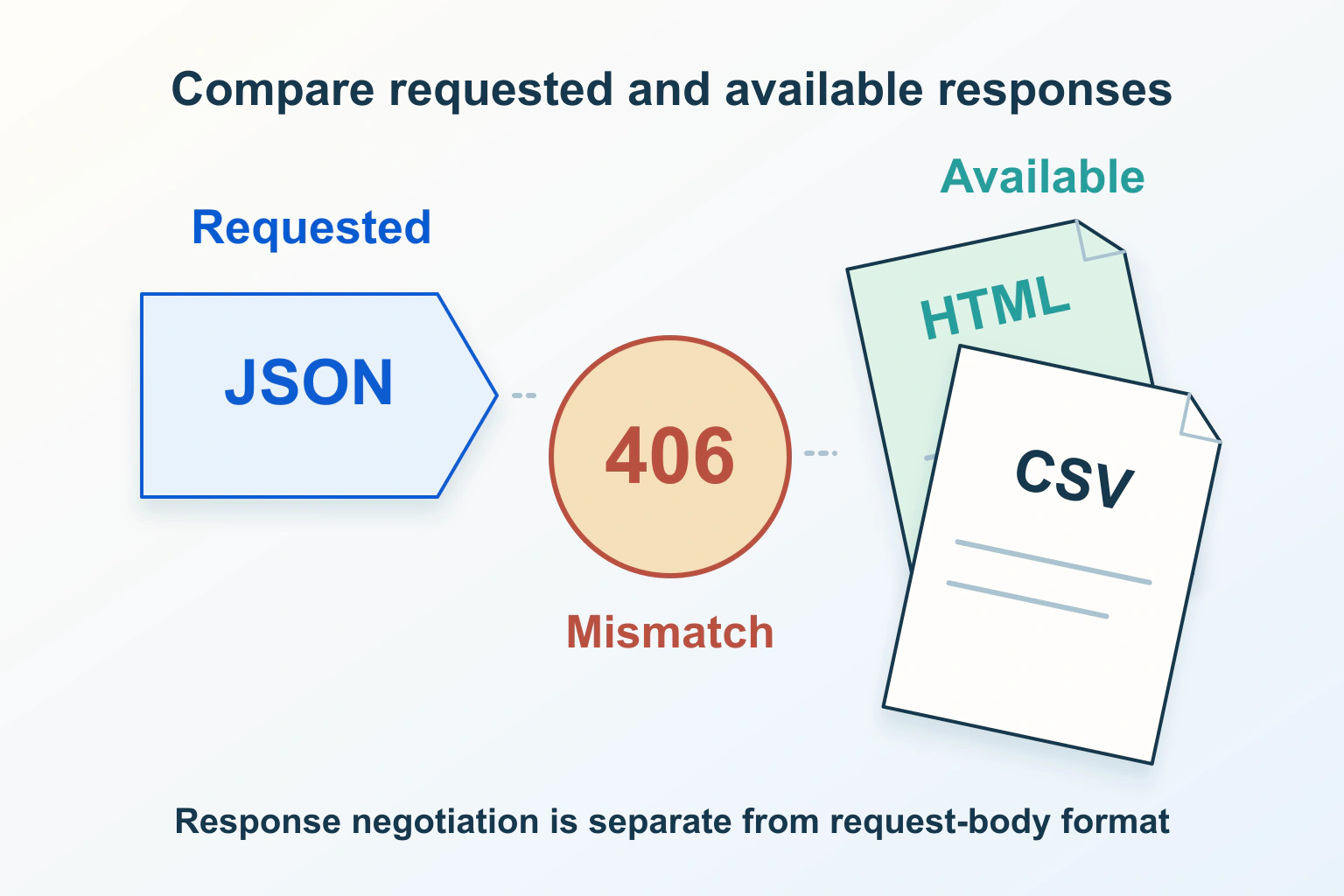
A 406 response concerns what representation a request accepts and what the responding component is willing to provide. Compare exact requests before changing formats or disabling protections.
A 304 response tells a conditional reader to reuse stored content; it does not carry the page body. Inspect the original representation, request validators and the layer answering before diagnosing missing updates.
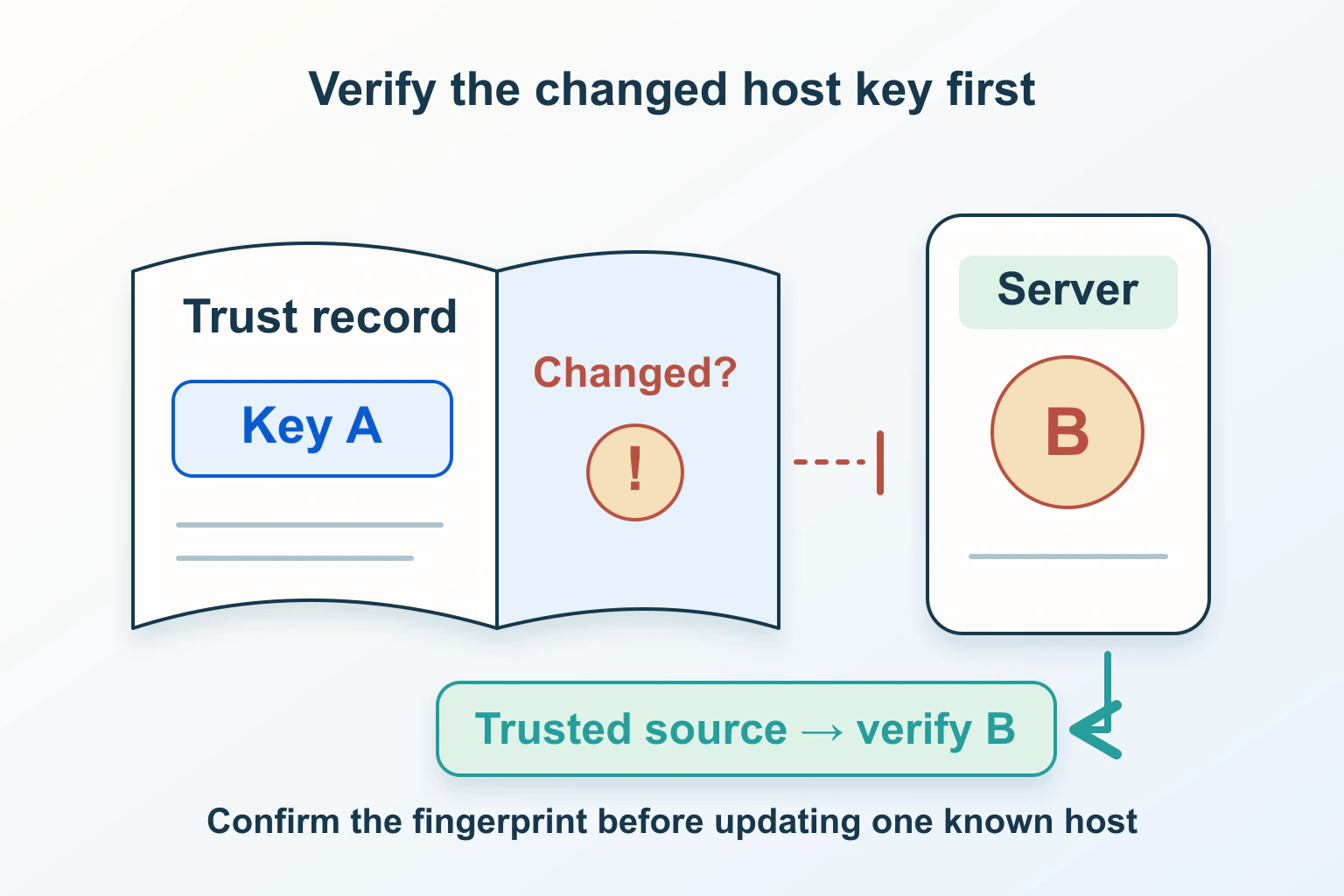
An SSH or SFTP identity warning can follow a legitimate server change, but the warning alone cannot establish that. Verify the replacement key through a trusted route before updating one saved record.
A slow page does not identify a slow query. Separate connection delay, execution, waiting and application work, then hand the maintainer a focused evidence record before changing indexes or hosting.
A header-only check cannot prove that a page body is correct. Compare HEAD and GET at the same destination and access context, then inspect the actual browser journey.
A directory listing instead of a homepage needs a mapping and initial-resource check. Preserve the correct site and separate hiding a listing from protecting files.
A storage dashboard can show free space while a website write fails elsewhere. Identify the exact destination, byte or inode capacity, account quota and temporary route first.