
HostingTutorial
TTFB includes more than application processing. Follow the actual navigation through redirects, network setup and the origin response, then compare the same conditions before choosing a repair.
HostingTutorial
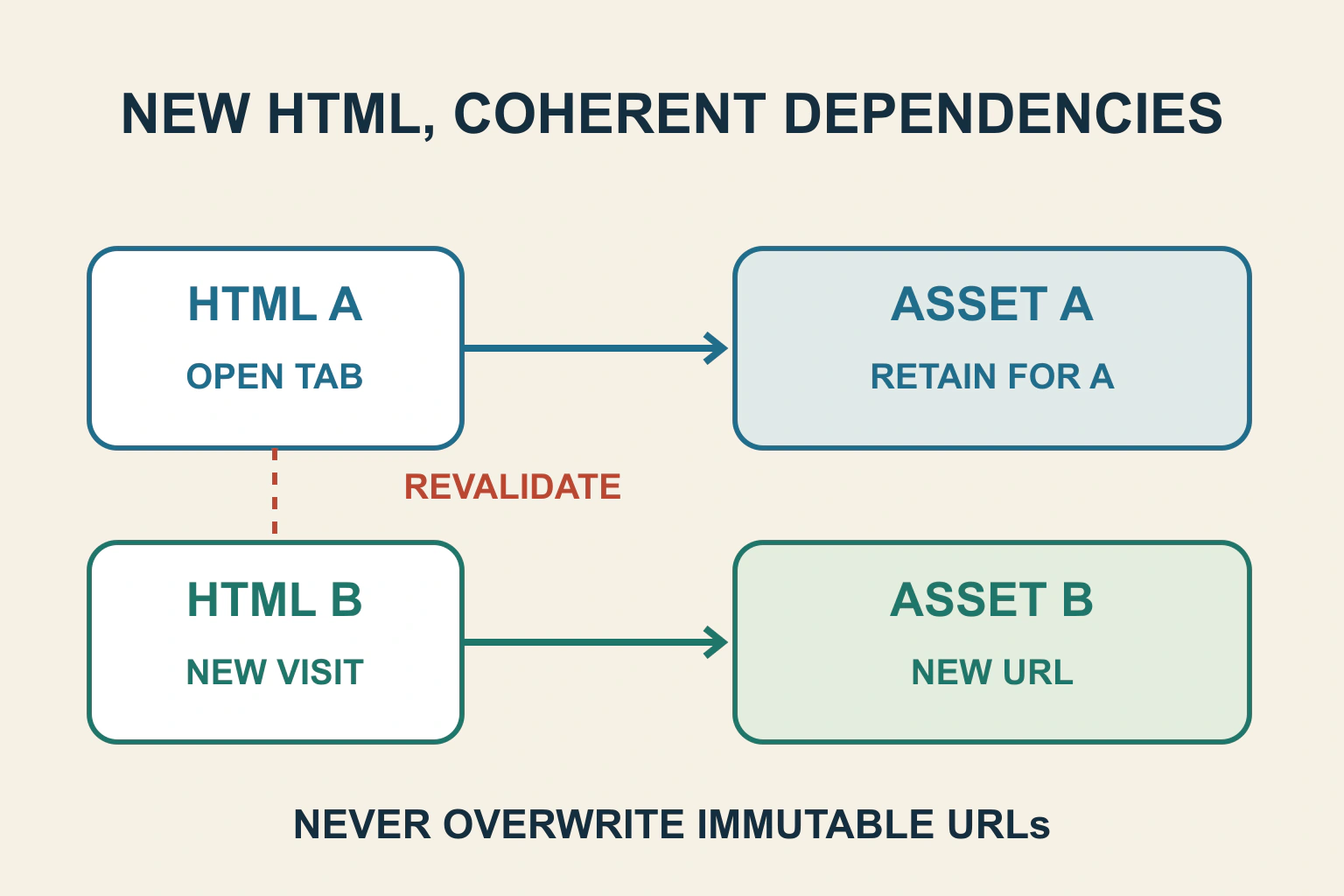
Give changed assets new URLs, let HTML discover those URLs through an appropriate freshness policy, and retain compatibility for visitors still using the previous release.
HostingTutorial
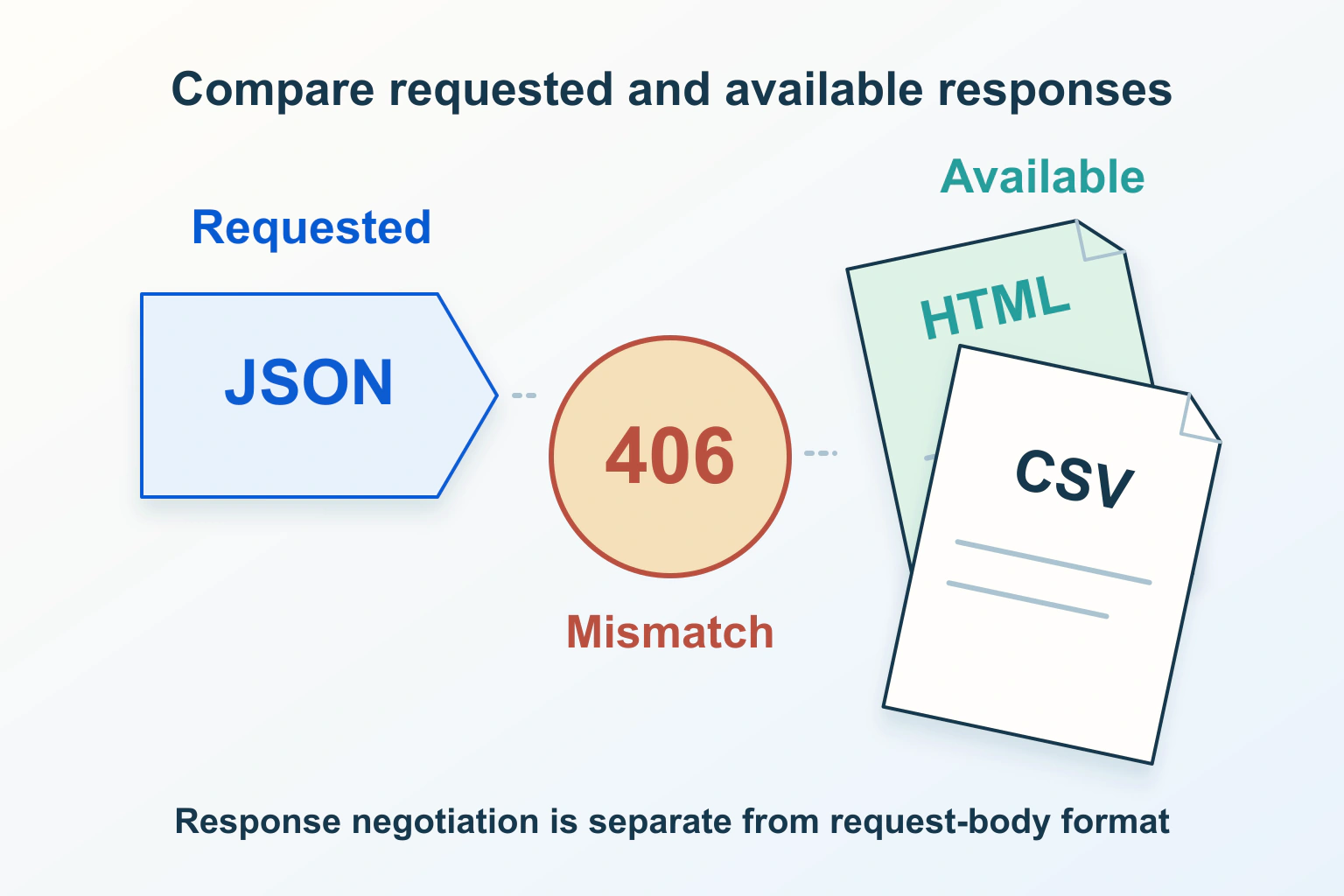
A 406 response concerns what representation a request accepts and what the responding component is willing to provide. Compare exact requests before changing formats or disabling protections.

HostingTutorial
A 304 response tells a conditional reader to reuse stored content; it does not carry the page body. Inspect the original representation, request validators and the layer answering before diagnosing missing updates.
HostingTutorial
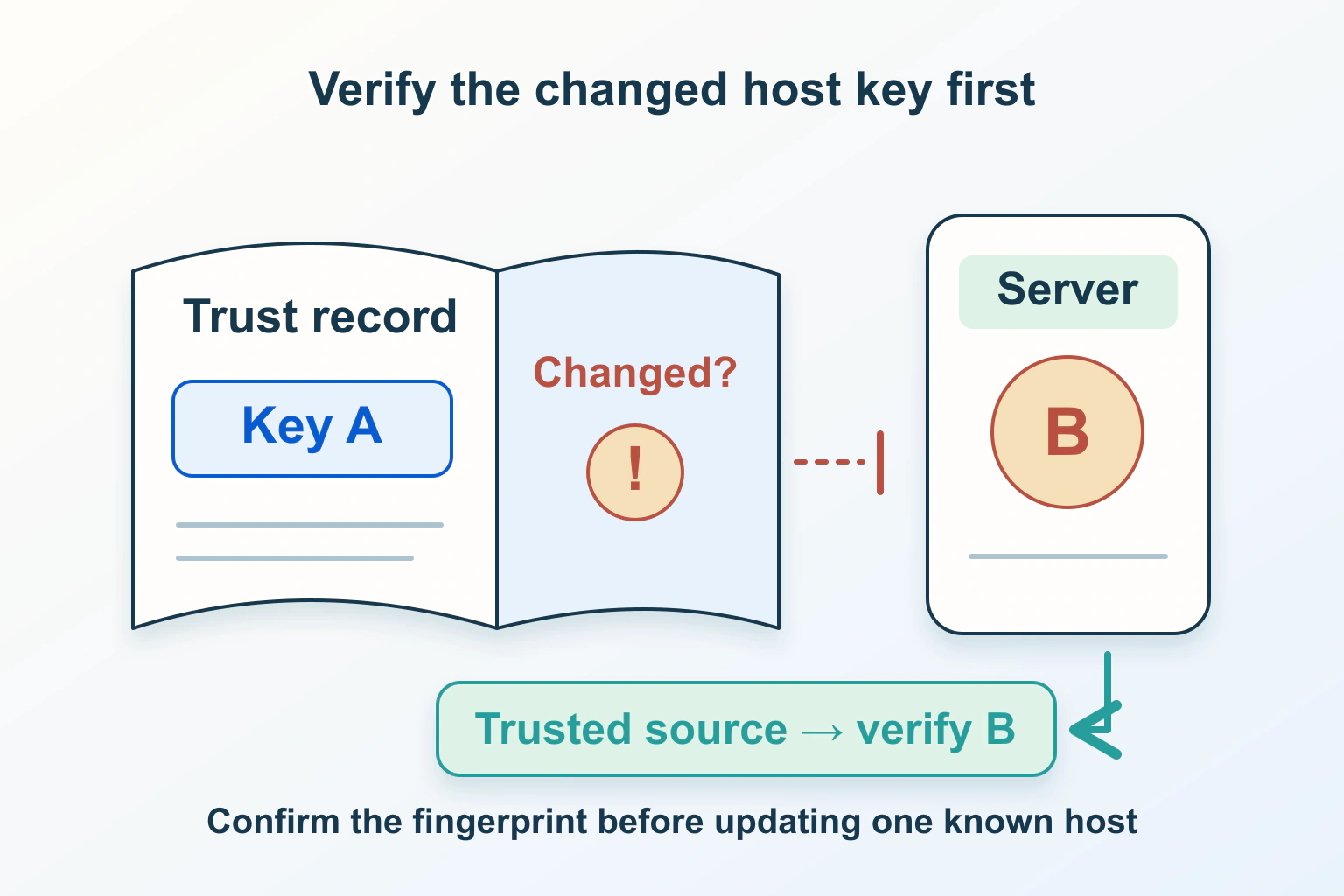
An SSH or SFTP identity warning can follow a legitimate server change, but the warning alone cannot establish that. Verify the replacement key through a trusted route before updating one saved record.

HostingTutorial
A slow page does not identify a slow query. Separate connection delay, execution, waiting and application work, then hand the maintainer a focused evidence record before changing indexes or hosting.

HostingTutorial
A header-only check cannot prove that a page body is correct. Compare HEAD and GET at the same destination and access context, then inspect the actual browser journey.

HostingTutorial
A directory listing instead of a homepage needs a mapping and initial-resource check. Preserve the correct site and separate hiding a listing from protecting files.

HostingTutorial
A storage dashboard can show free space while a website write fails elsewhere. Identify the exact destination, byte or inode capacity, account quota and temporary route first.
HostingTutorial
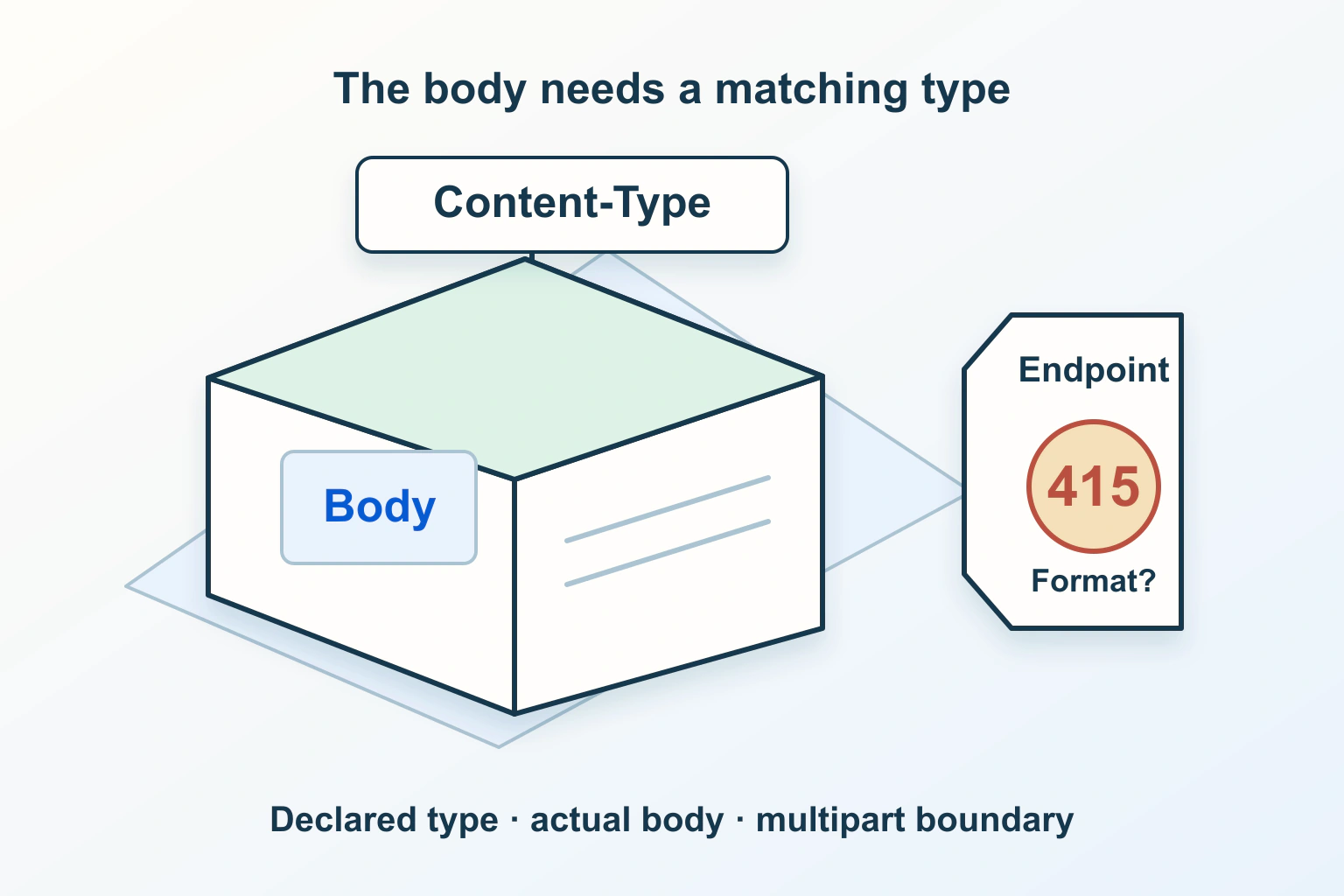
A request can reach the right service and still carry the wrong representation. Compare the endpoint contract, body serializer, media type and multipart boundary before changing anything.

HostingTutorial
Opening a page successfully does not prove its save or submit route accepts the same request. Trace the refused method and destination without weakening access controls.

HostingTutorial
A working browser can hide a broken address-family route. Compare the same hostname over IPv4 and IPv6 before blaming DNS propagation or disabling security.
