
HostingTutorial
A 304 response tells a conditional reader to reuse stored content; it does not carry the page body. Inspect the original representation, request validators and the layer answering before diagnosing missing updates.

Website BuildersTutorial
Automatic translation can make a website easier to read while changing names or technical wording. Compare the original and translated view, protect narrow identifiers and check actual application values separately.

Website BuildersTutorial
A browser connection flag cannot establish that your application endpoint is reachable. Design precise failure messages and recovery paths around actual requests.
Website BuildersTutorial
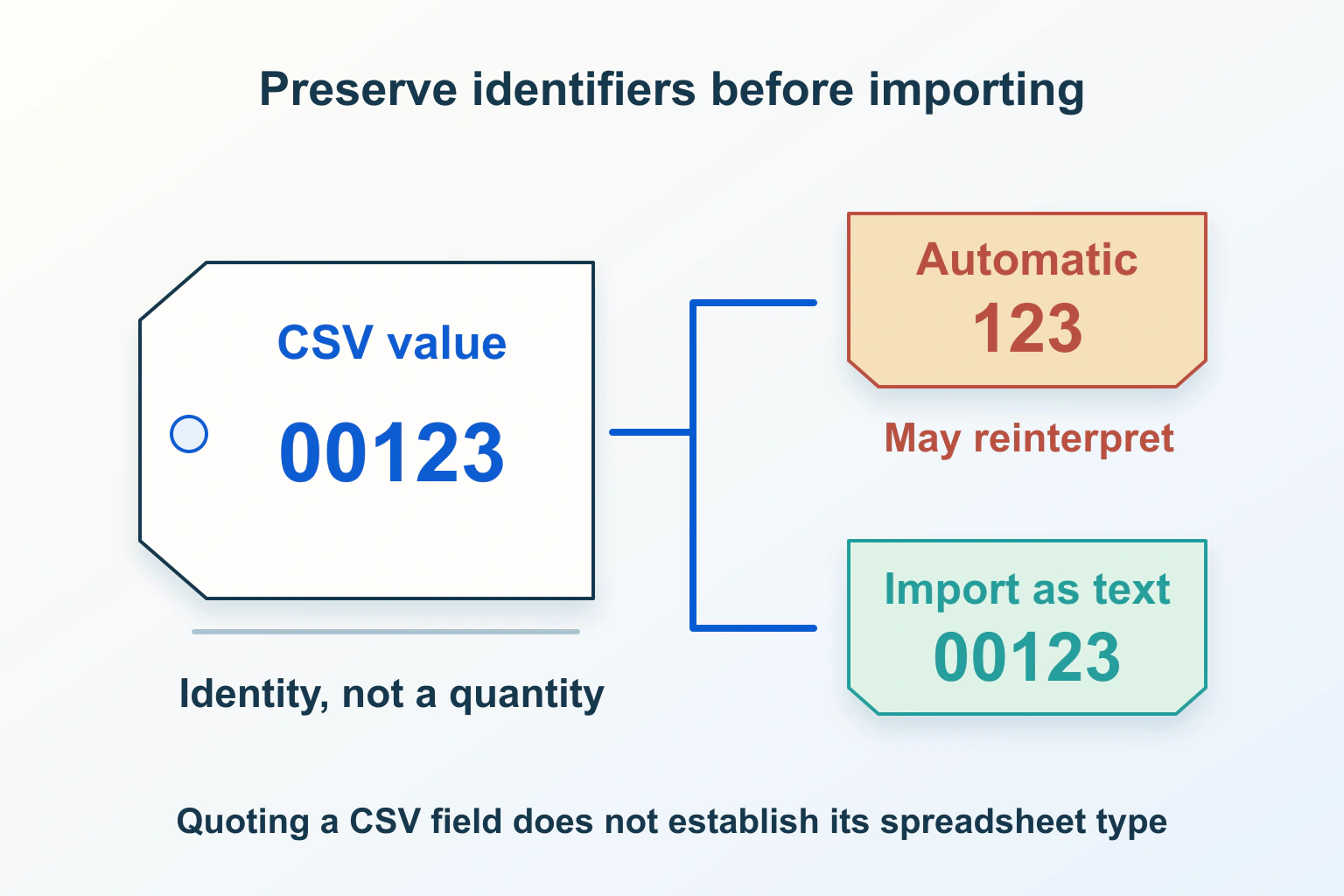
A correct export can be changed by the program that opens it. Preserve raw files, define column meanings and verify identifiers and dates before reimporting data.

Security & BackupsTutorial
A backup file, its decryption material and access to the recovery process are separate dependencies. Map them, break circular access and rehearse a safe restore.

Email ToolsTutorial
A secure connection protects a particular transport boundary. Separate mail access, server relay, message encryption and recipient copies before making a privacy claim.
HostingTutorial
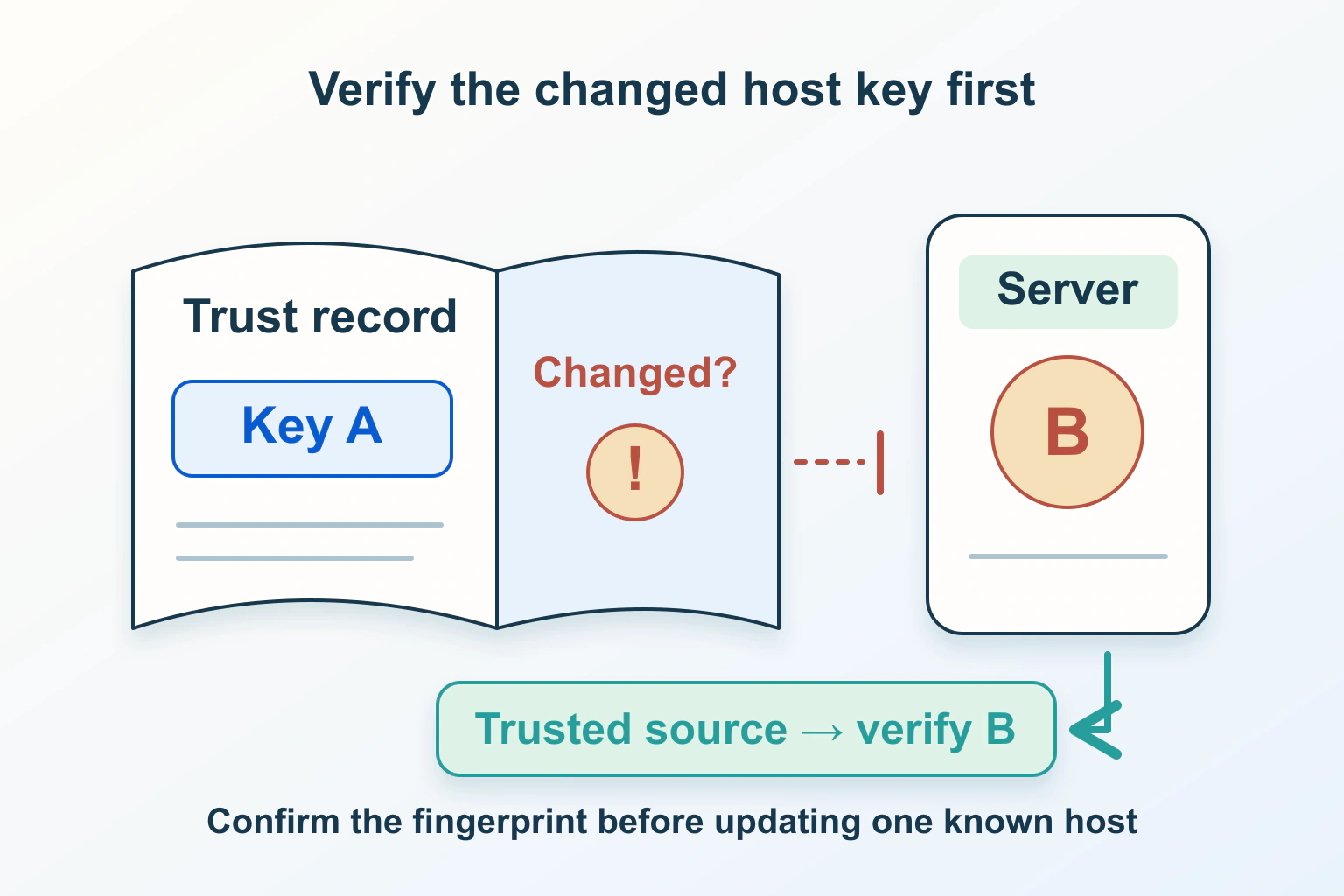
An SSH or SFTP identity warning can follow a legitimate server change, but the warning alone cannot establish that. Verify the replacement key through a trusted route before updating one saved record.
Website BuildersTutorial
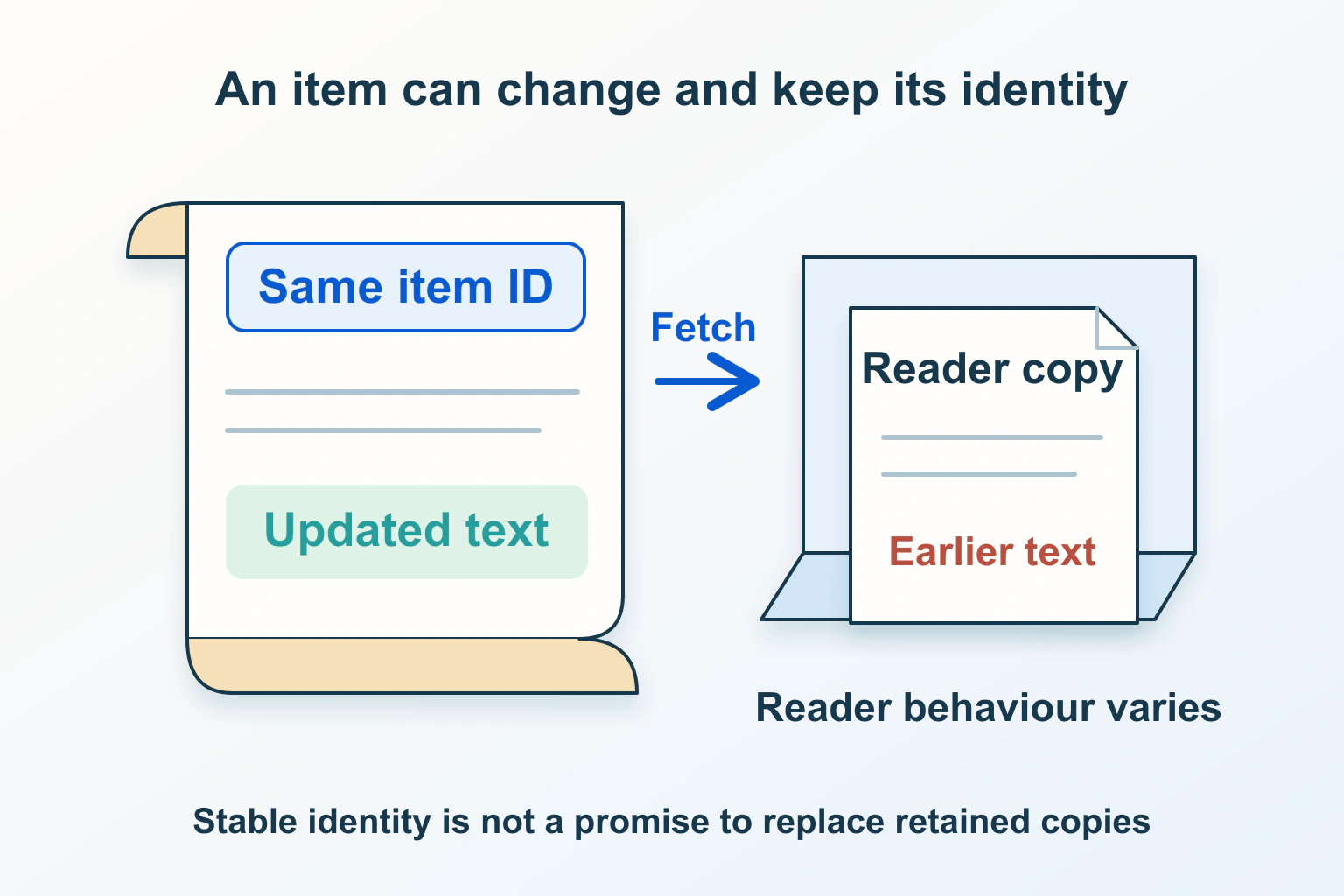
An edited article can look new to a feed reader if its identity changes. A deleted source item can remain in a reader’s history. Review those as different lifecycle problems.
Website BuildersTutorial
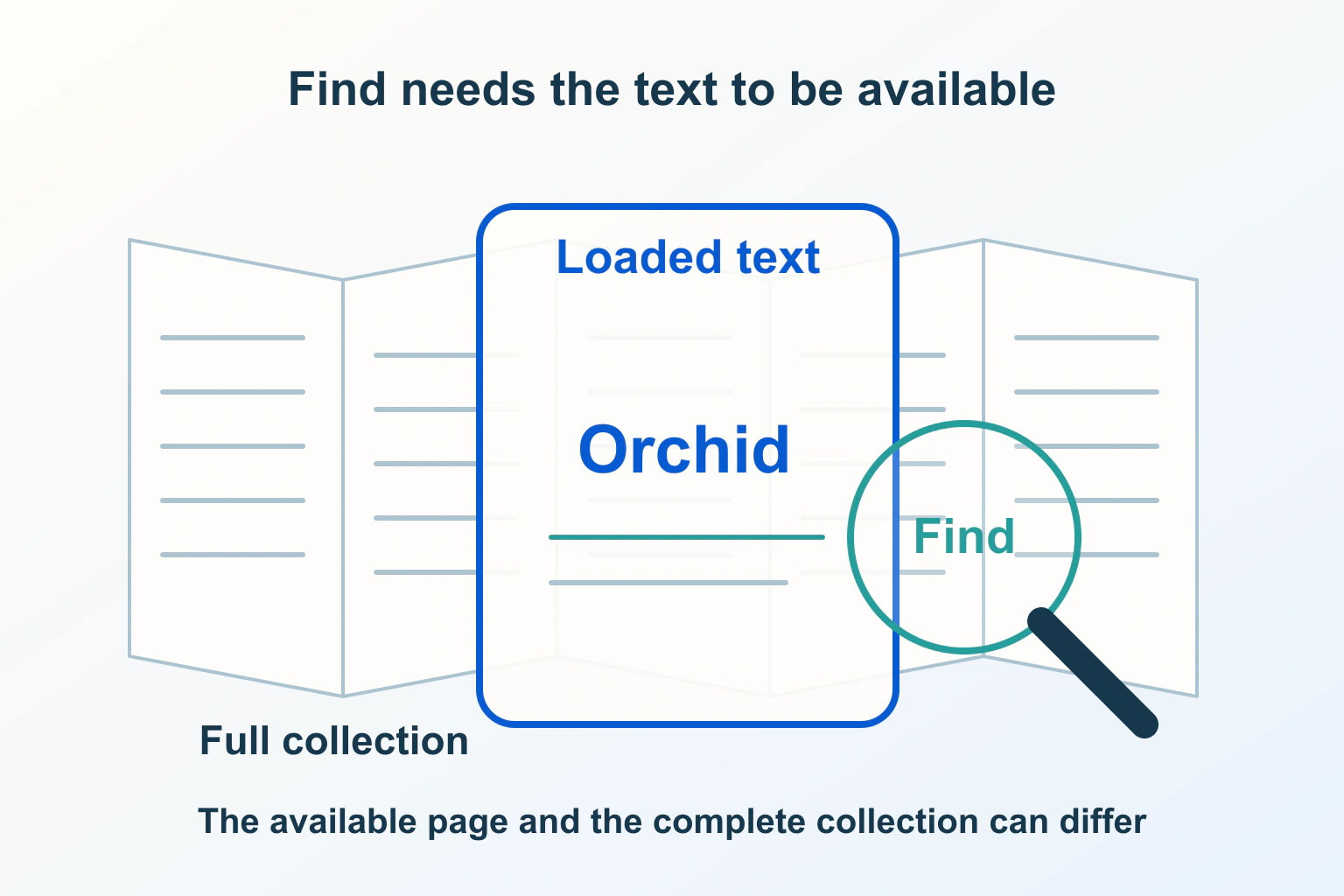
Browser Find cannot search an entire collection when its text is not present on the page. Check DOM availability, collapsed sections and virtualization before choosing a content or search correction.

HostingTutorial
A slow page does not identify a slow query. Separate connection delay, execution, waiting and application work, then hand the maintainer a focused evidence record before changing indexes or hosting.
Website BuildersTutorial
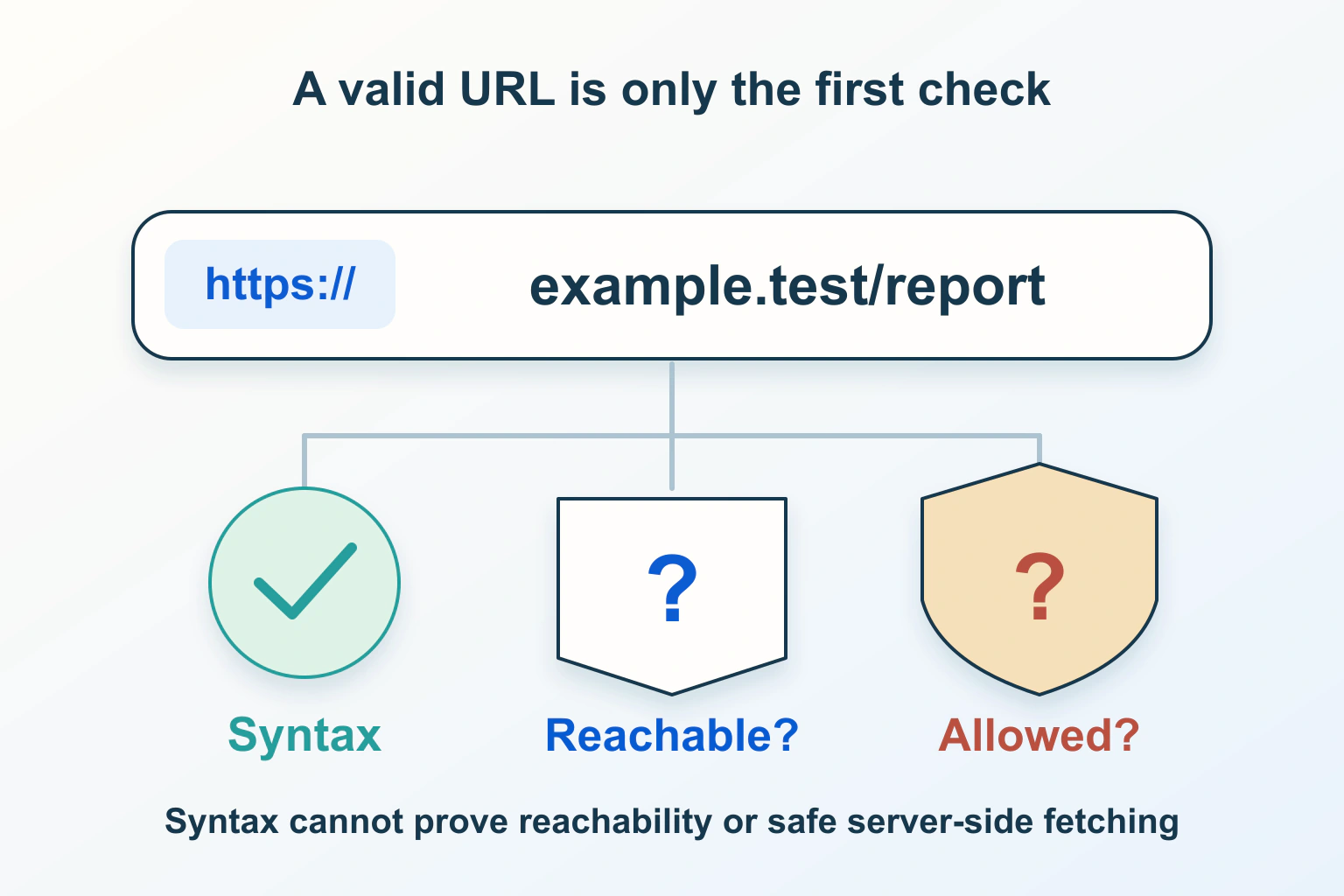
Accept website addresses deliberately. Separate URL syntax from allowed schemes, reachability and server-fetch security, with helpful errors and clear review cases.

Security & BackupsTutorial
Separate the destination address from the referring page. Choose an intentional referrer policy and inspect what leaves public, account and recovery pages.
