Website BuildersTutorial
What to prepare before asking for a website quote
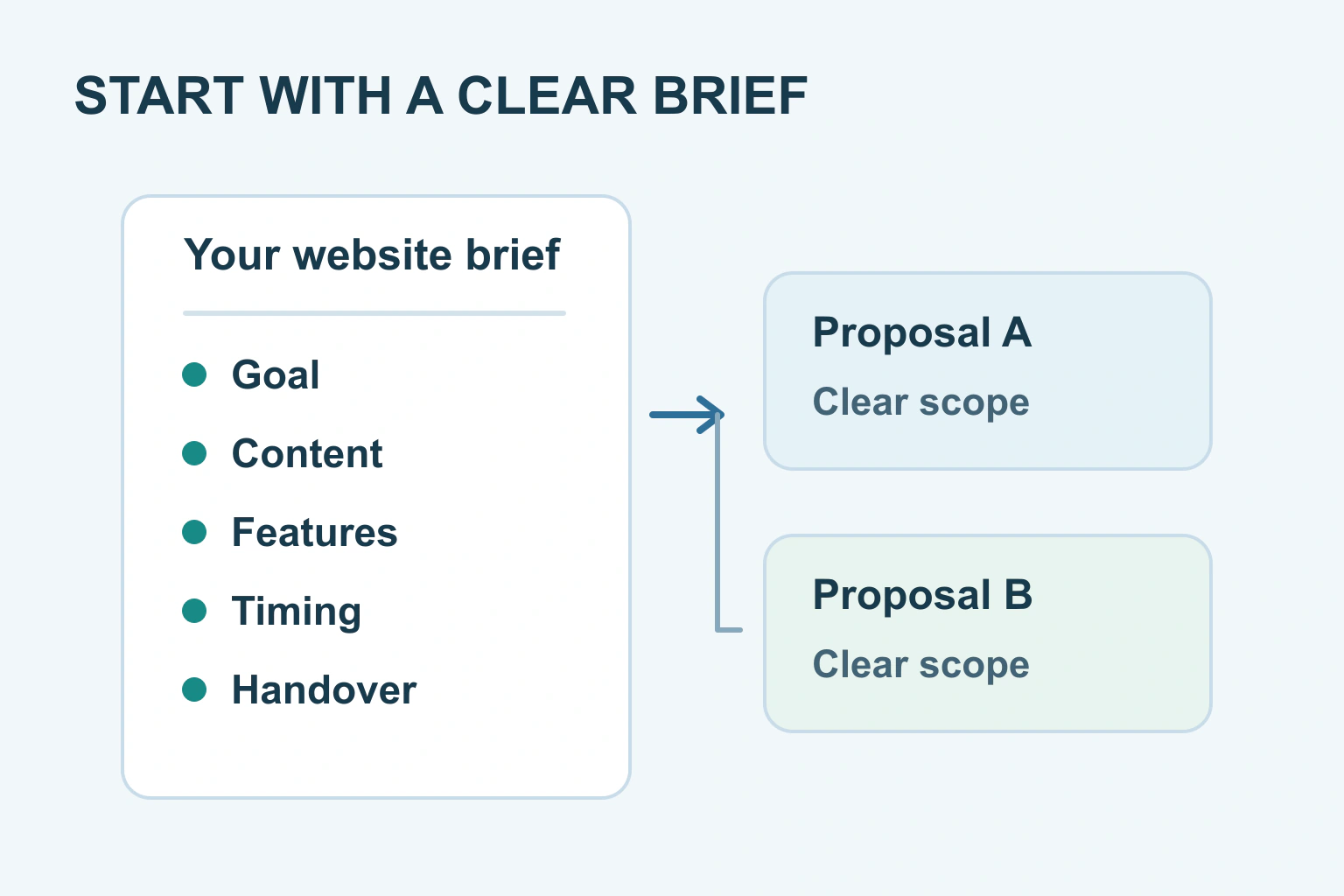
Prepare a website brief with your goals, content, features and ongoing costs. Compare quotes clearly without writing a technical specification.
6 min readRead
Clear explanations and practical steps for building and running a website.
139 guides
Page 1 of 12Prepare a website brief with your goals, content, features and ongoing costs. Compare quotes clearly without writing a technical specification.
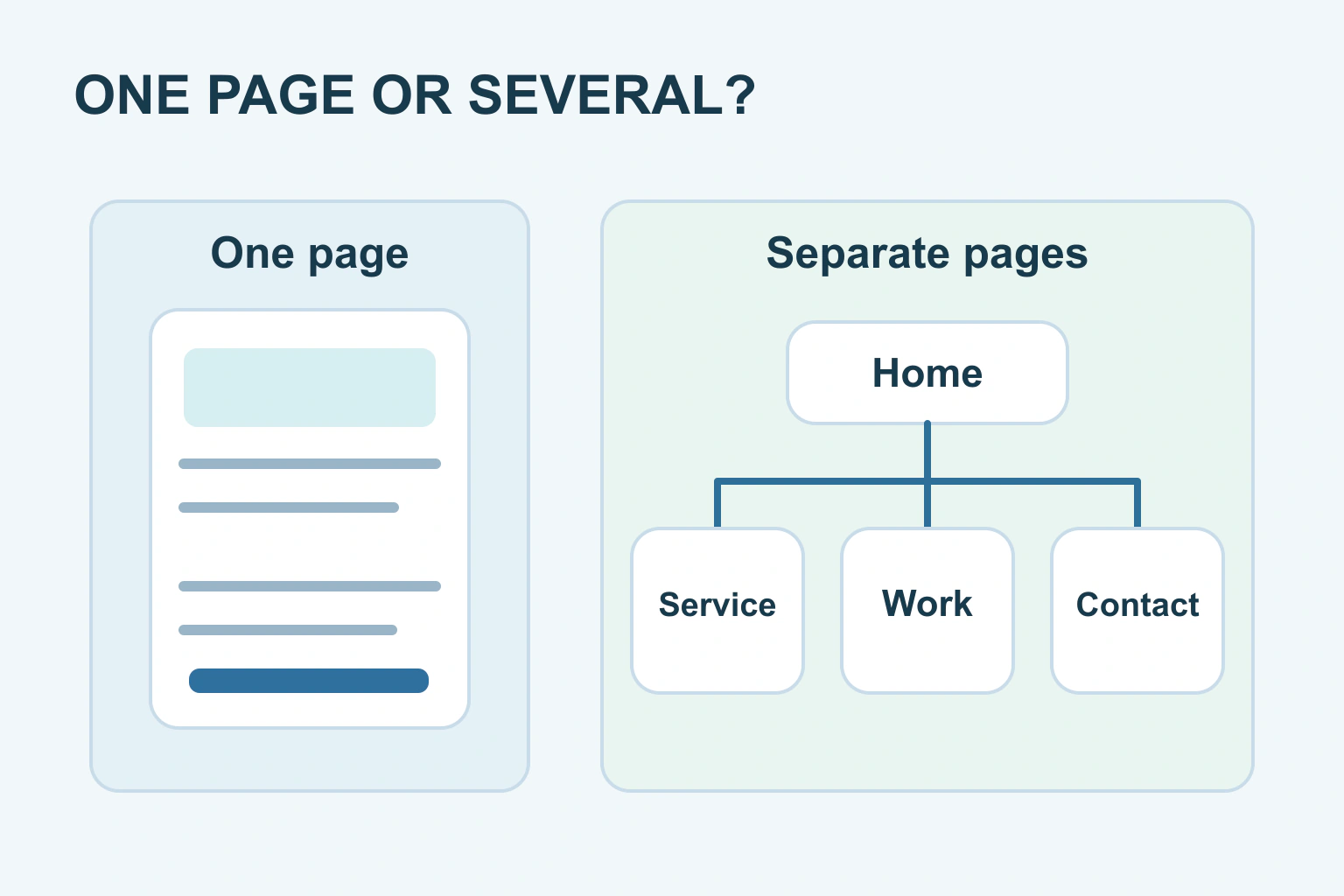
Choose a simple website structure around what visitors need to do. Know when one page is enough, when to split it, and how to leave room to grow.
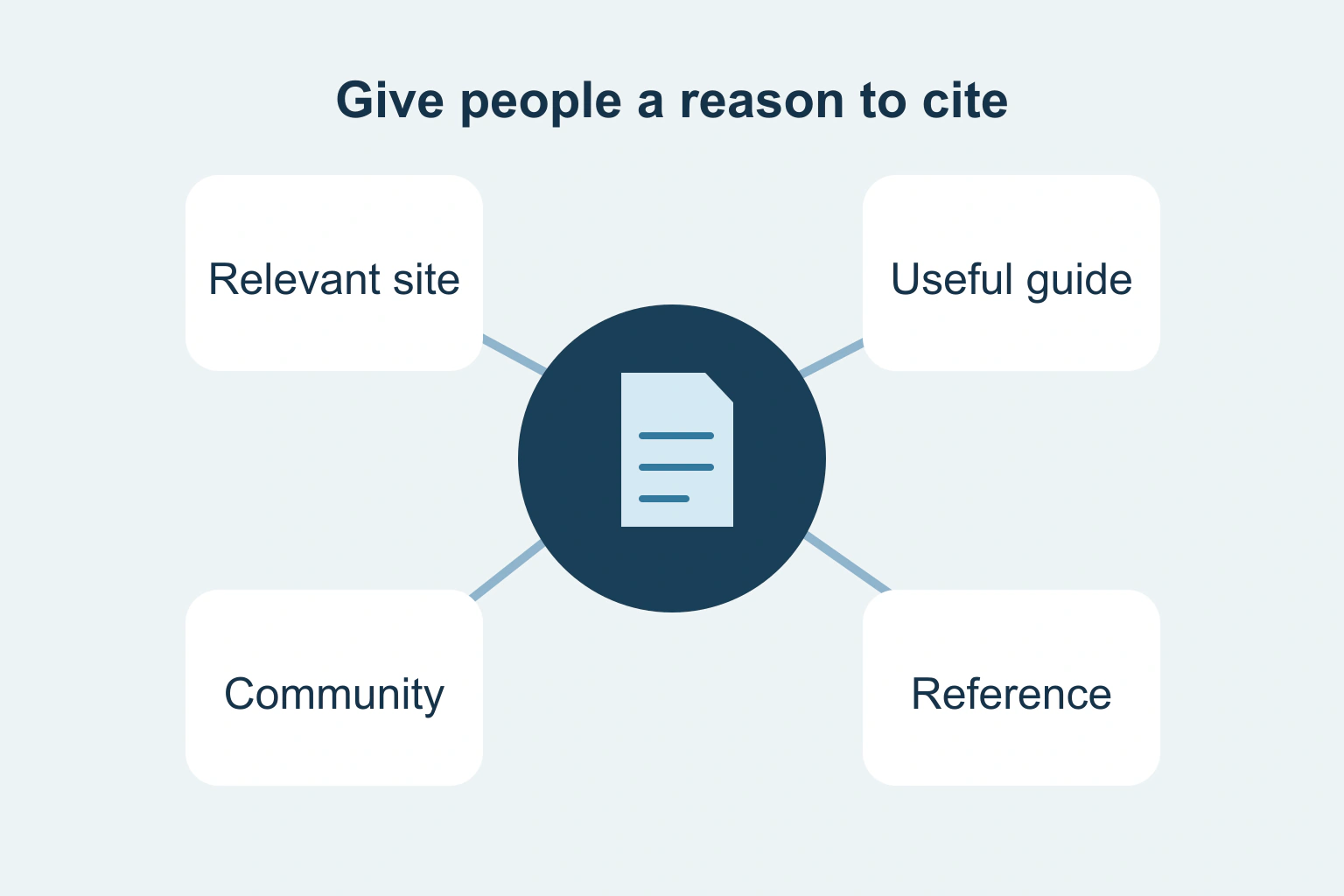
Create resources people can use and cite. Choose relevant outreach, explain paid relationships and measure useful referrals without promising a backlink quota.
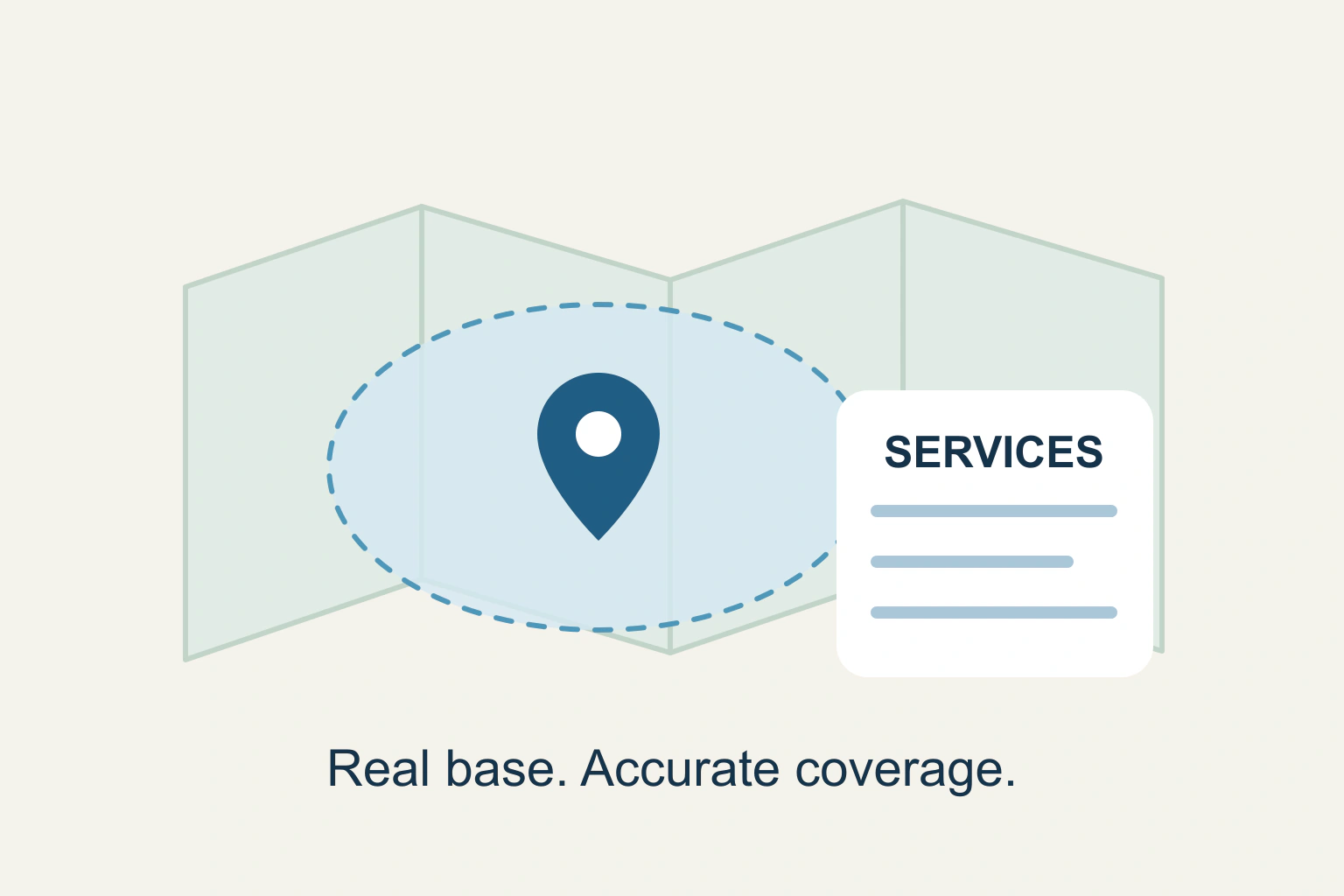
Align your service website, coverage information and Business Profile. Explain real locations and services, avoid invented offices and measure qualified enquiries.
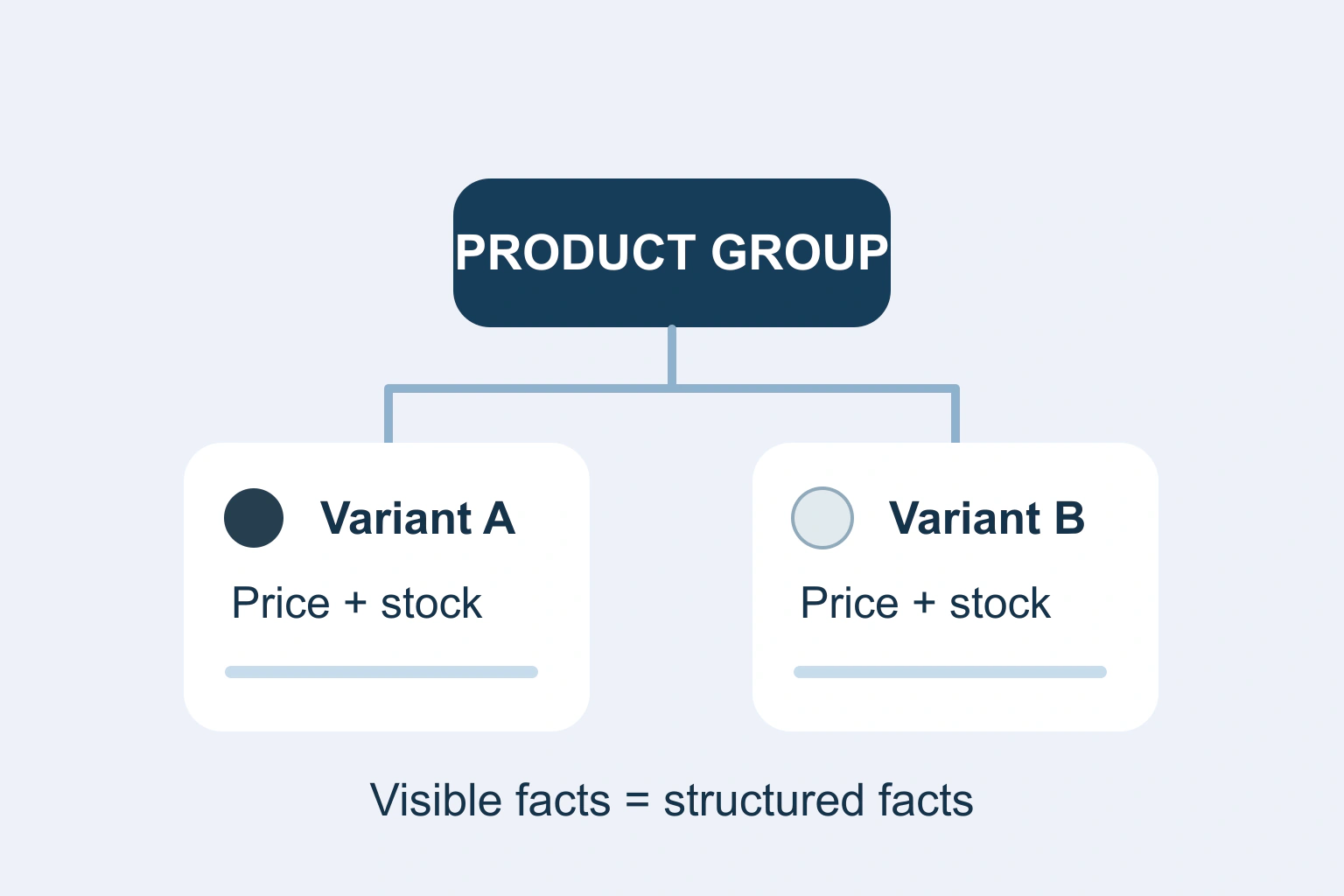
Align product markup with the selected variant, visible price and availability. Check competing generators, stable identifiers and published results before chasing rich results.
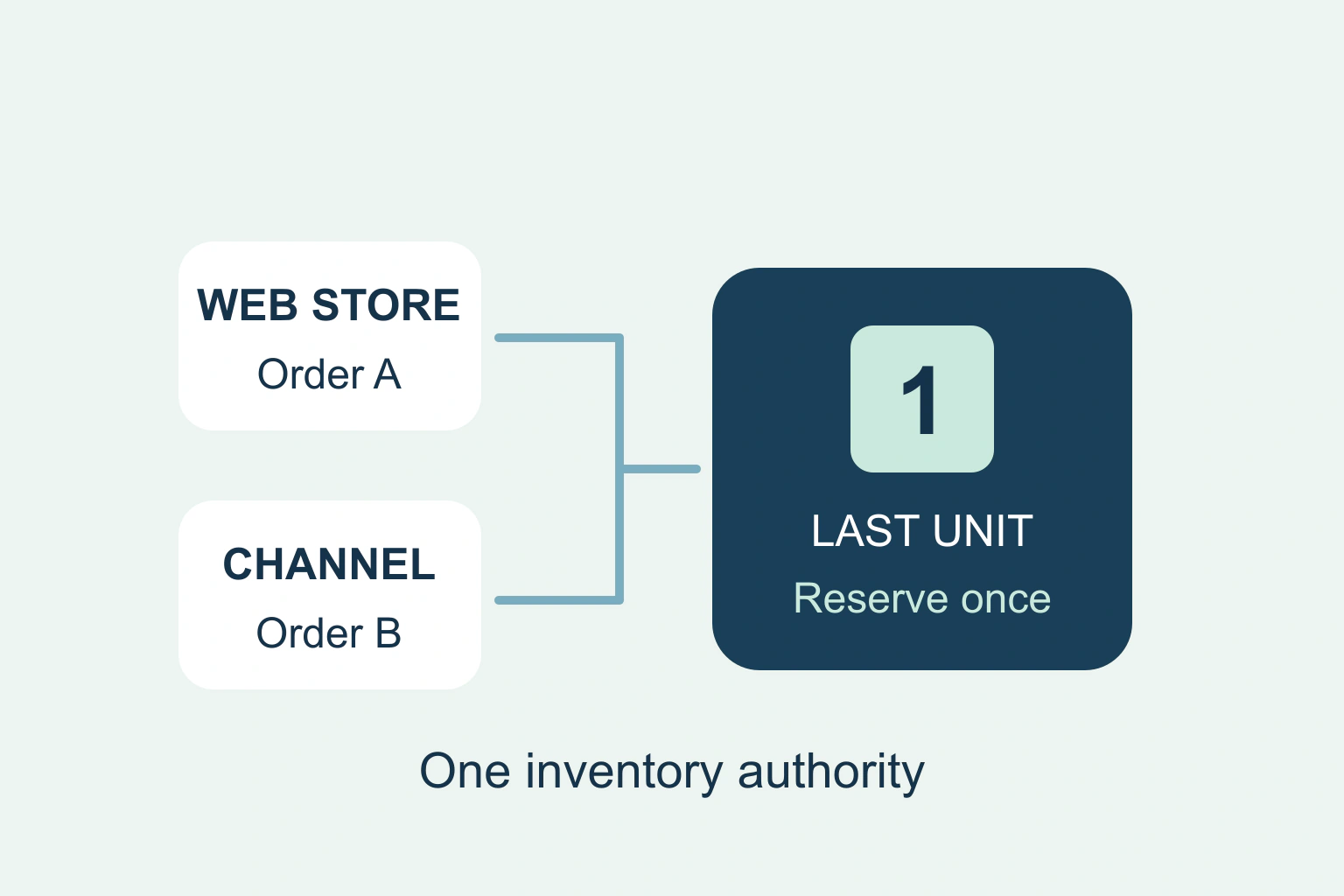
Trace available stock, reservations and channel updates before an item oversells. Plan safe tests, reconciliation and a clear response when channels disagree.
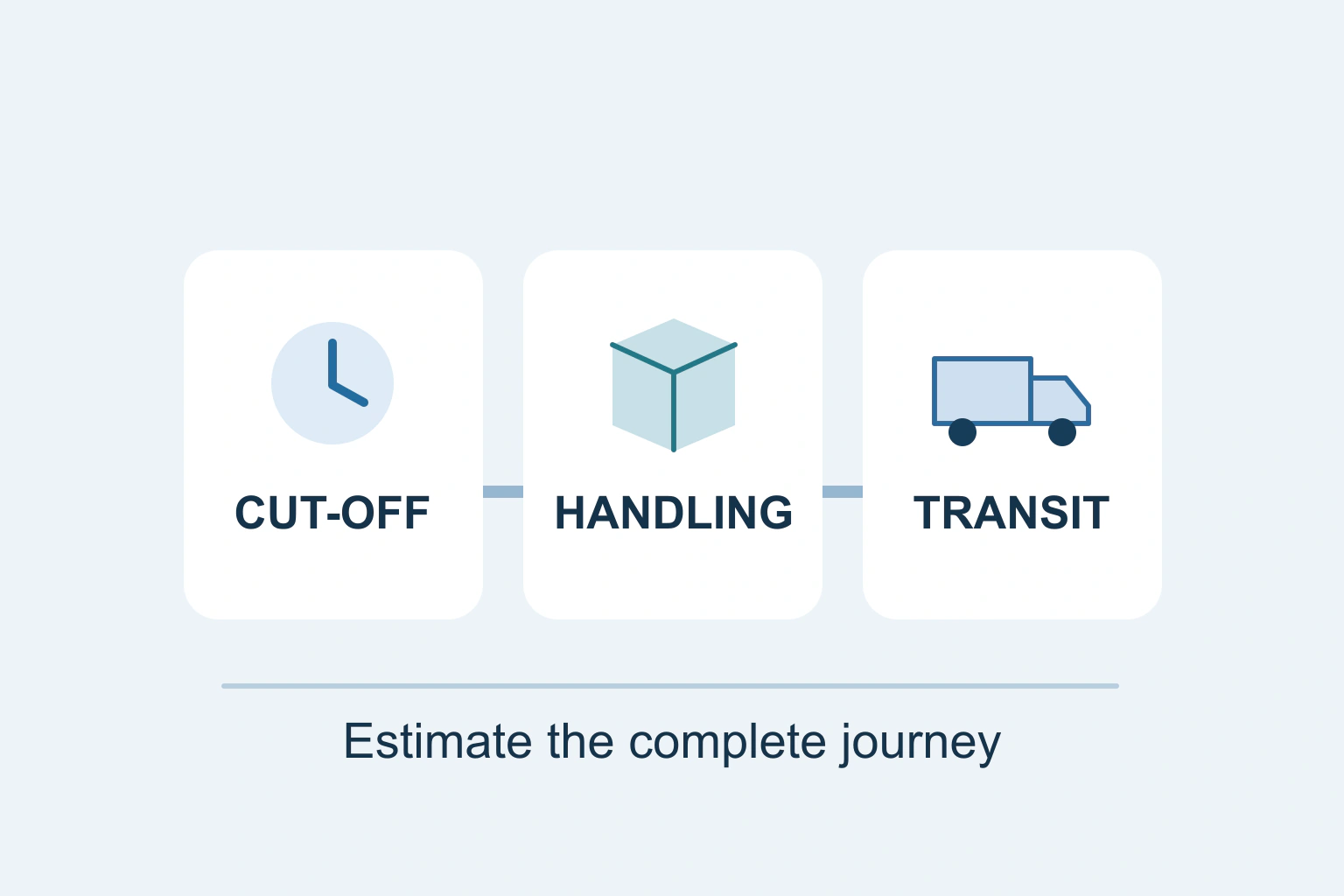
Build delivery estimates from handling, transit, cut-offs and destination rules. Test weekends, mixed baskets and checkout messages before making a promise.
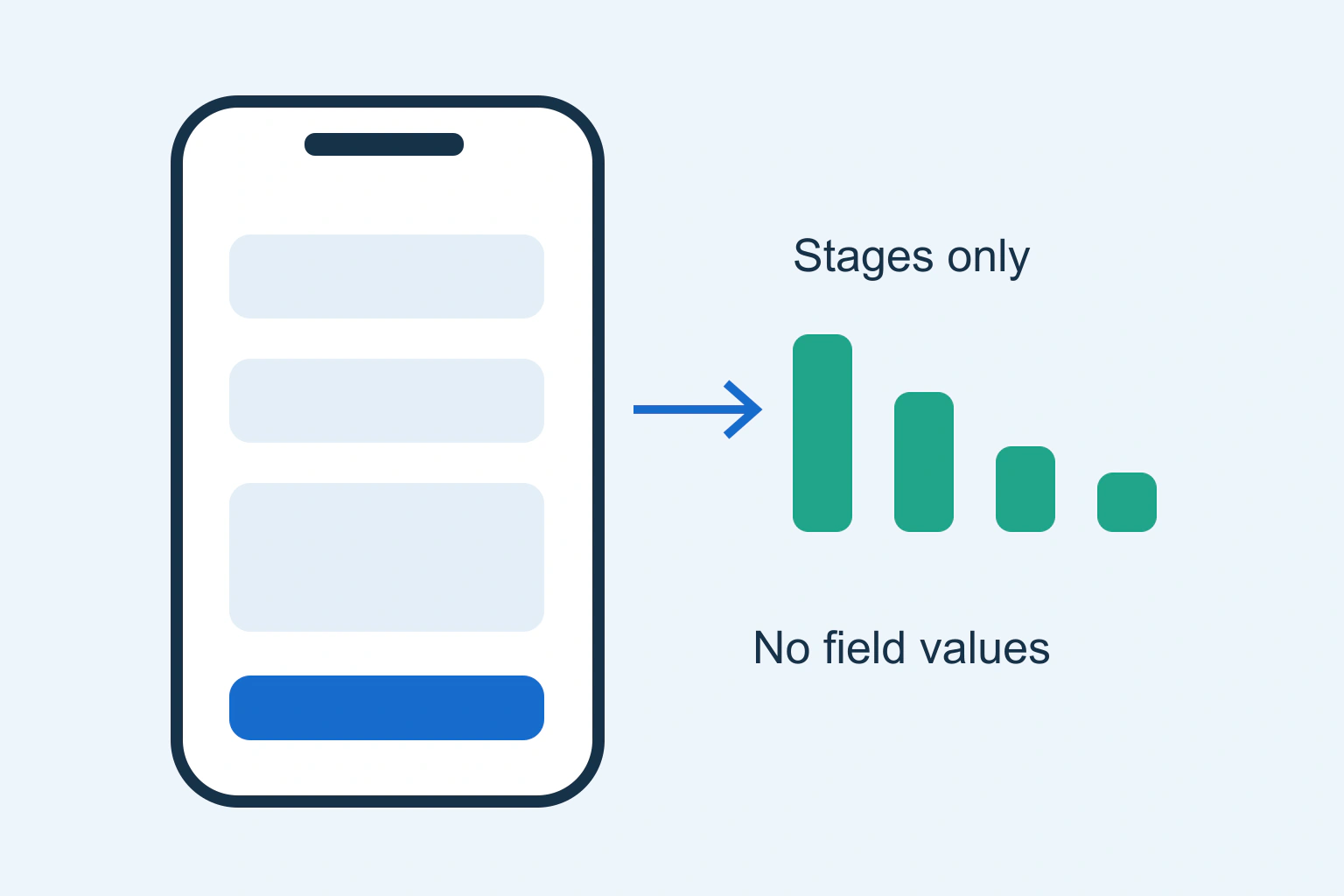
Use a minimal event map, aggregate error categories and synthetic phone tests to diagnose incomplete forms while keeping private field values out of analytics.
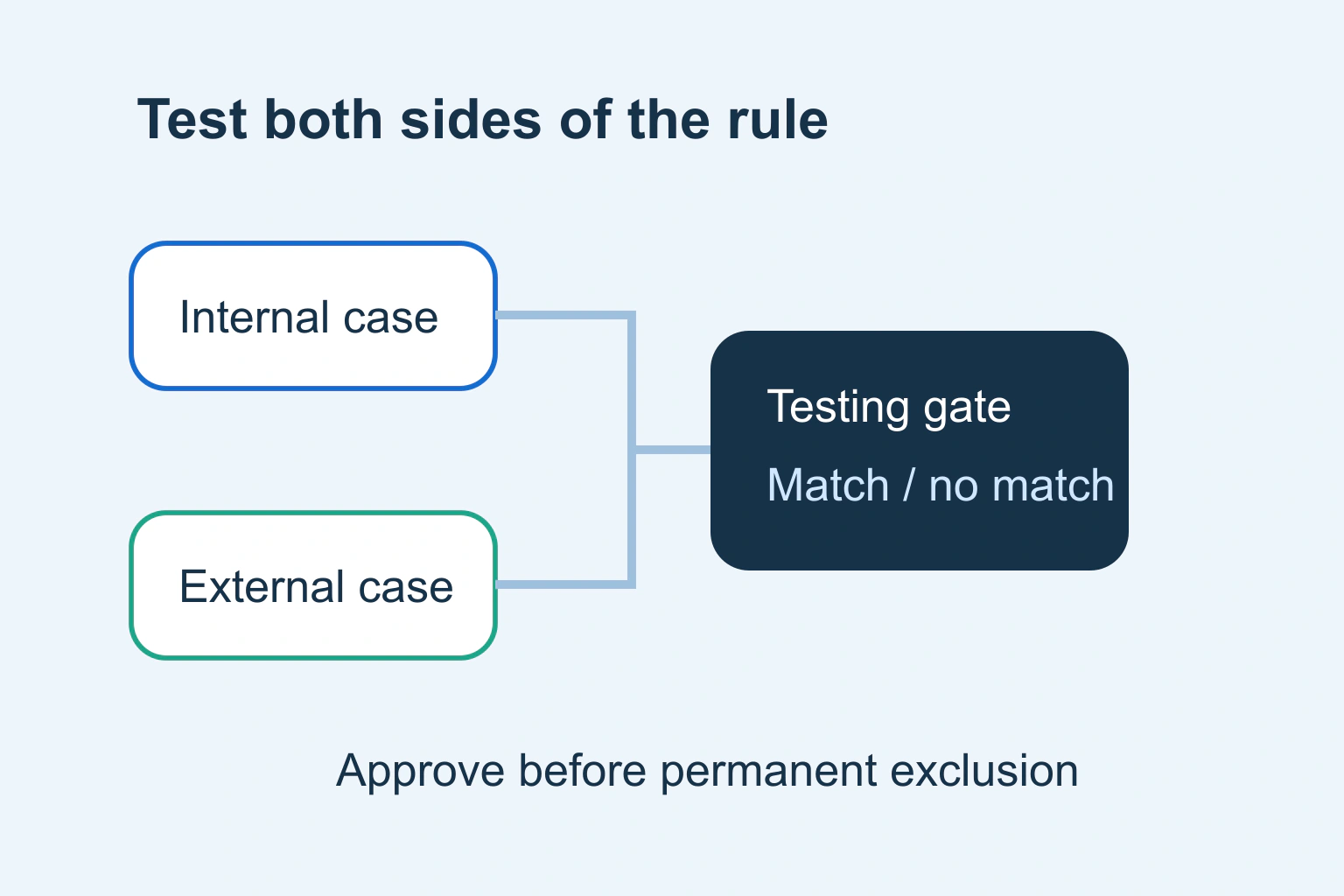
Separate team browsing from audience evidence with a tested rule. Check positive and negative cases before activating a permanent incoming-data filter.
Separate outbound events, tracked partner clicks, attributed actions and payable earnings. Review report scope, contract conditions and link routing before diagnosing conversion.
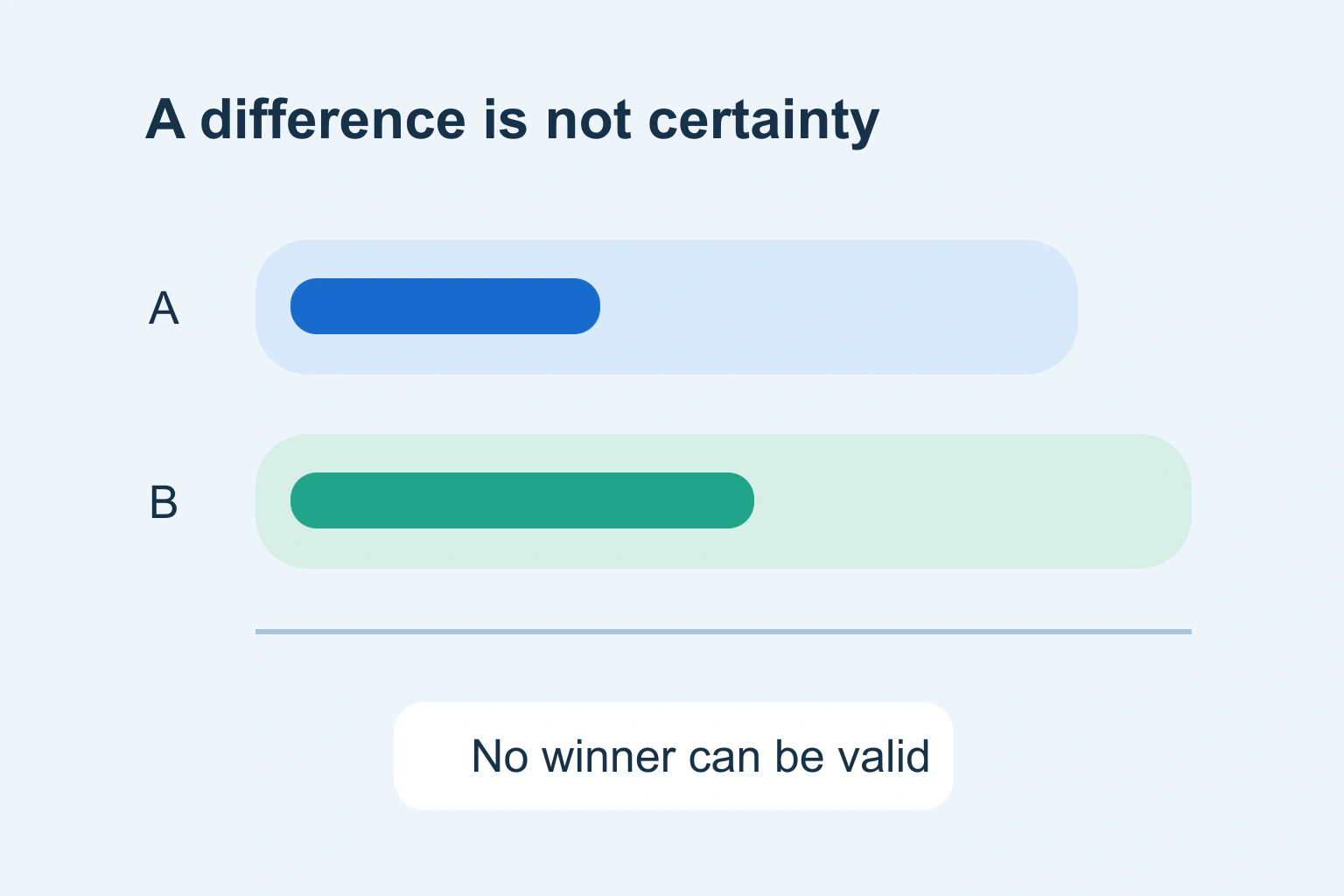
Separate an attractive percentage from a dependable experiment. Define the outcome, randomization, feasible sample and stopping rule before comparing versions.
Turn genuine buying questions into useful website answers. Put essential terms near the decision, avoid sales filler and maintain one source for each policy.
Find an answer, a decision or a practical next step. Choose a topic and format: explanations, buying guides, comparisons, tutorials or editorial opinion.